
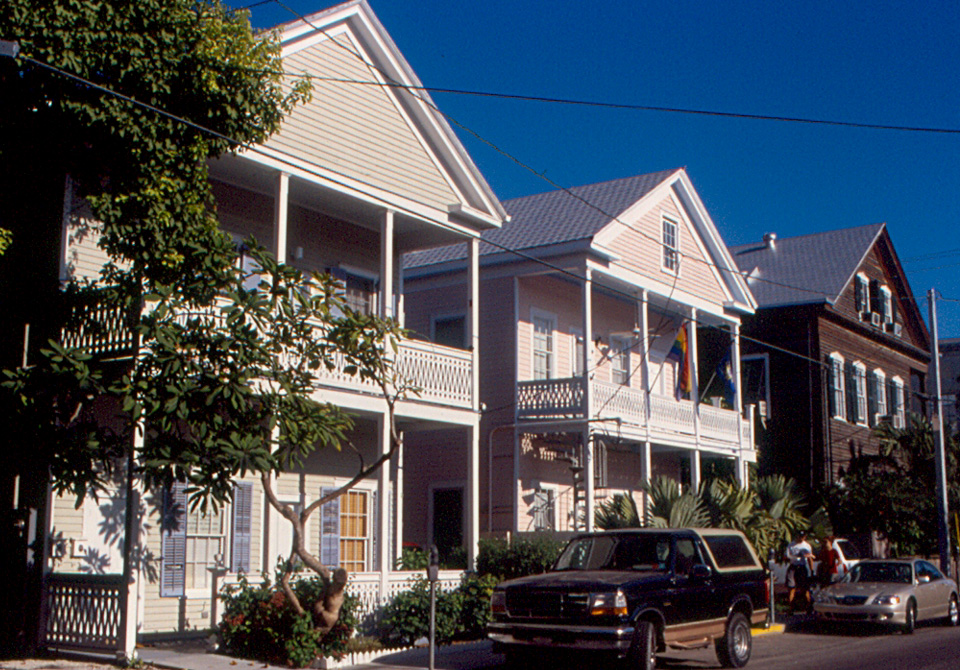
Buying a home in Key West is different from buying in many mainland markets. Two houses a few blocks apart can have different flood exposure, insurance options, renovation constraints, rental rights, and operating costs. A condo may look easy to maintain until you review the association’s reserves, inspections, insurance, and upcoming projects. The right process is not about assuming the worst; it is about making the invisible parts of ownership visible before you close.
1. Begin with the intended use
Decide whether the property will be a primary residence, second home, long-term rental, vacation rental, or some combination. That choice affects financing, insurance, association review, management needs, and the documents you should prioritize. Put the intended use into your search criteria early so you do not spend time evaluating a property that cannot support your plan.
For a second home, think through who will check it when you are away, how it will be prepared for storms, and how quickly a local contact can respond to an air-conditioning leak, water intrusion, or security issue. For an investment property, use conservative assumptions and separate market demand from legal permission to rent. No rental projection should substitute for address-specific verification.
2. Confirm the address, jurisdiction, and rental status
“Key West” is used broadly in listings and conversation, but municipal and county rules are not interchangeable. Confirm the parcel, legal description, municipality, zoning district, existing permits, and code history with the appropriate public agencies and your closing team.
Rental use deserves its own due-diligence track. The City of Key West defines transient lodging around rentals of less than 30 days or one calendar month, including property advertised for that use. The city publishes separate transient and non-transient rental information. A property’s prior use, city records, current licensing, and association documents all matter. Verify them before treating short-term rental revenue as part of the purchase decision.
3. Treat flood and insurance review as an early step
Do not wait until the end of the financing process to investigate insurance. Start with the current FEMA flood information, any available elevation certificate, prior flood or loss history, the building’s elevation and construction, and the lender’s requirements. Monroe County advises buyers to research flood hazards before purchasing and notes that preliminary coastal flood-map changes may affect future development standards, requirements, and costs.
Homeowners insurance generally excludes flood damage, so flood coverage is a separate conversation. Wind, named-storm or hurricane deductibles, roof age, opening protection, electrical and plumbing updates, occupancy, and rental use can also affect availability and price. Obtain property-specific quotes from licensed insurance professionals while you still have time to evaluate the result under your contract.
A useful insurance review compares coverage, deductibles, exclusions, required inspections, and the assumptions behind each quote—not only the premium. If the property is a condo, understand what the association’s master policy covers and what remains the unit owner’s responsibility.
4. Inspect for island conditions, not just visible defects
Salt air, heat, humidity, wind-driven rain, intense sun, and periods of vacancy can accelerate wear. A general inspection is the starting point. Depending on the property, buyers may also need qualified specialists to assess the roof, structure, electrical service, plumbing and sewer connections, HVAC and humidity control, termite or wood-destroying organisms, seawalls, docks, pools, shutters, and generators.
Ask what was repaired, when, by whom, and under which permit. Compare the physical property with public permit records and the seller’s disclosures. For older homes, look closely at additions, enclosures, converted spaces, and major systems. An attractive renovation should still have a traceable approval and maintenance history.
5. Understand historic review before planning renovations
Key West’s historic character is part of its value, and it can affect project scope and timing. If a property is in the Historic District or is otherwise subject to historic review, investigate what approvals may be required before assuming you can change windows, roofing, fencing, exterior materials, additions, or other visible features.
As of this article’s publication date, the City of Key West describes an integrated process for building permits and Historic Architectural Review Commission Certificates of Appropriateness, using one combined application and coordinated review. That can simplify filing, but it does not make every proposed change approvable. Discuss the exact project with the city and qualified professionals before pricing a renovation plan.
6. Read condo and association documents as financial documents
For a condo or HOA property, the unit inspection is only half the review. The association can materially affect cost, timing, rental use, pets, parking, renovations, financing, and resale. Request the declaration and amendments, current budget, reserve information, existing and proposed special assessments, recent meeting minutes, insurance information, approval procedures, rental restrictions, pending litigation, and records of major building projects.
Florida condominium disclosure rules may require applicable milestone-inspection summaries, turnover reports, or structural integrity reserve studies—or statements about whether those records are required or completed. Requirements and contract rights depend on the transaction and can change. Have your real estate attorney and other advisers identify which records apply and review them within the contract deadlines.
Pay special attention to the relationship between reserves, deferred maintenance, master insurance, and planned work. A lower monthly fee is not automatically a lower-cost ownership experience if major work has been postponed.
For a focused document review, use the seven-point Key West condo buyer checklist before making an offer.
7. Build a full annual ownership budget
The mortgage payment is only one line. Model property taxes based on the purchase—not only the seller’s current bill—plus homeowners, wind, and flood coverage; condo or HOA fees; utilities; pest control; landscaping and pool service; routine maintenance; storm preparation; property checks; management; and a reserve for replacements.
For rental scenarios, include cleaning, guest support, platform or booking costs, licensing and tax compliance, consumables, maintenance, downtime, and realistic occupancy assumptions. Ask for supporting records, but do not assume a seller’s best year will repeat. The goal is a durable budget, not a guaranteed return.
8. Keep the right specialists involved
A careful Key West purchase often involves a local real estate professional, lender, home inspector, insurance agent, title or closing provider, surveyor, and—when appropriate—a Florida real estate attorney, contractor, engineer, accountant, or association specialist. The team should match the property and your intended use.
Local experience matters most when it produces verifiable answers: the right public record, a written quote, an inspection report, an association document, or a clear contract provision. Keep those items organized and resolve open questions before deadlines rather than carrying assumptions toward closing.
Key West buyer due-diligence checklist
- Parcel, legal description, jurisdiction, zoning, and survey
- Intended occupancy and rental-use verification
- Permit, code, renovation, and maintenance history
- General inspection plus property-specific specialists
- Current flood information and available elevation certificate
- Written homeowners, wind, and flood insurance quotes
- Condo or HOA rules, budgets, reserves, assessments, minutes, and insurance
- Applicable milestone inspection or structural reserve records
- Property-tax estimate and complete annual ownership budget
- Storm preparation, vacancy checks, maintenance, and local response plan
Frequently asked questions
What should I check first when buying property in Key West?
Start with intended use, exact jurisdiction, flood information, insurability, property condition, and any association or rental restrictions. Obtain property-specific documents and quotes before your contract deadlines.
Does homeowners insurance cover flooding in Key West?
Homeowners insurance generally excludes flood damage. Discuss separate flood coverage and property-specific requirements with licensed insurance professionals and your lender.
Can every Key West property be used as a short-term rental?
No. Rental use can depend on city authorization, licensing, zoning, property history, and condo or HOA rules. Verify the specific address and current rules before relying on rental income.
What records should a Key West condo buyer review?
Review the declaration and amendments, budget, reserves, assessments, meeting minutes, insurance information, applicable inspection reports or reserve studies, rental rules, approval requirements, and pending litigation with appropriate advisers.
Official resources checked August 13, 2026
- City of Key West transient rental map and definition
- City of Key West Historic Preservation Division
- Monroe County floodplain management and awareness
- FEMA Flood Map Service Center
- Florida Statutes section 718.503
This guide is general educational information, not legal, tax, investment, construction, lending, or insurance advice. Rules, maps, costs, property conditions, and association requirements can change. Verify the specific property with the appropriate agencies and licensed professionals.
Planning a Key West purchase?
Connect with Vladimir Prohodnoy, a Key West real estate professional with Expert Realty and owner/operator of Stay The Keys, for practical local guidance. If your plan includes time away from the island, review our property-care services as part of the ownership plan.